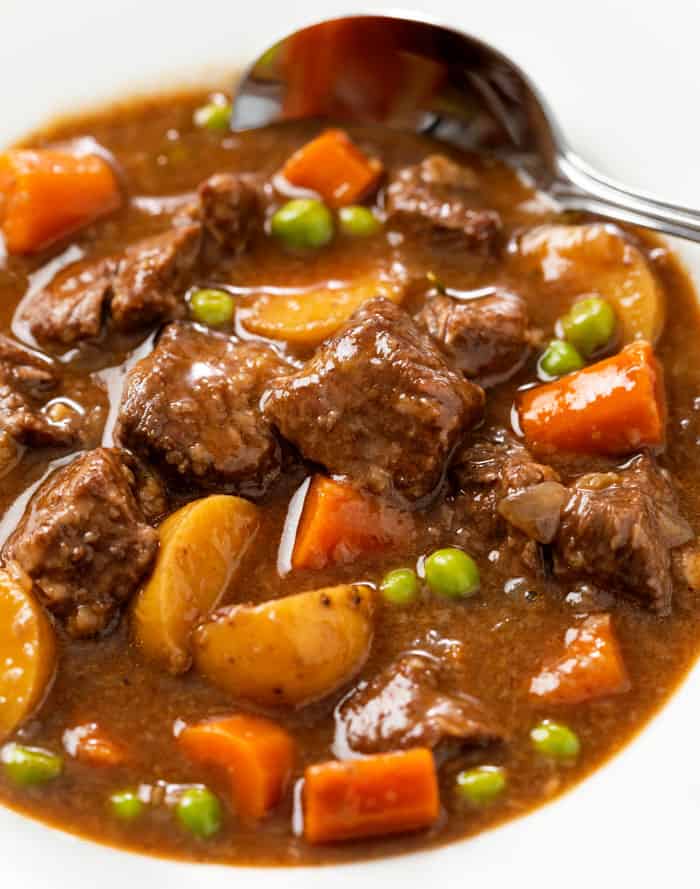
Your Go-To Cozy Slow Cooker Beef Stew for Fall & Winter Nights
As the days grow shorter and a crisp chill fills the air, there’s a universal craving for warmth, comfort, and a meal that truly nourishes the soul. What better way to answer that call than with a simmering pot of rich, hearty slow cooker beef stew? This timeless classic isn't just a meal; it's an experience, transforming simple ingredients into a deeply satisfying dish that evokes memories of home and hearth. Imagine coming home to the enticing aroma of tender beef, vibrant vegetables, and a savory broth, all thanks to the magic of your slow cooker. This article will guide you through crafting the ultimate
Ultimate Slow Cooker Beef Stew: Tender Beef & Perfect Potatoes – a dish so comforting, it’s destined to become your favorite fall and winter tradition.
Why Your Slow Cooker is the Secret to the Best Beef Stew
The beauty of a slow cooker lies in its ability to take a dish from good to extraordinary with minimal effort. For beef stew, it’s nothing short of a culinary superpower. Traditional stovetop stew requires constant attention, but the slow cooker allows you to set it and forget it, letting time and low heat work their magic.
The long, gentle cooking process is key to achieving that melt-in-your-mouth tenderness in your beef. Connective tissues break down slowly, rendering even tougher cuts incredibly succulent. Simultaneously, the flavors of the beef, vegetables, herbs, and broth meld together over hours, creating a depth and complexity that’s hard to achieve otherwise. This hands-off approach not only makes a slow cooker beef stew an ideal weeknight dinner but also means you can prepare it in the morning and return to a perfectly cooked, soul-warming meal. It’s the ultimate expression of comfort food, making those chilly fall and winter nights infinitely cozier.
Crafting the Perfect Slow Cooker Beef Stew: Essential Ingredients & Preparation
Creating an unforgettable slow cooker beef stew is all about balance: the right cut of beef, the perfect potatoes, a medley of complementary vegetables, and a deeply flavorful broth. Each component plays a vital role in building the symphony of tastes and textures that defines this beloved dish.
Choosing Your Stars: Beef Cuts and Potatoes
The foundation of any great beef stew is, naturally, the beef itself.
- Best Beef for Stew: For a truly tender stew, prioritize cuts that thrive with long, slow cooking. Chuck roasts are hands down the best option. They are wonderfully marbled with fat and contain connective tissue (collagen) that breaks down into gelatin during extended cooking, resulting in incredibly tender, juicy beef. Plus, chuck roast is generally more budget-friendly than leaner cuts. Other excellent choices include rump roasts and bottom rounds, which also benefit from the slow cooking process. Always cut your beef into roughly 1-inch cubes, trimming any excessively large pieces of fat, but leaving the marbled fat for flavor. For more detailed insights into selecting and preparing beef, check out our guide on Make Perfect Slow Cooker Beef Stew: Best Beef Cuts & Potato Tips.
- Best Potatoes for Stew: Not all potatoes are created equal when it comes to stew. You want varieties that hold their shape and don't disintegrate into mush. Yukon Gold and Red Potatoes are ideal choices. Their lower starch content means they maintain their structure beautifully, absorbing the rich flavors of the broth without falling apart. Avoid high-starch russet potatoes, which tend to break down too much in the slow cooker. Cut your chosen potatoes into hearty chunks, similar in size to your beef.
Beyond the beef and potatoes, traditional slow cooker beef stew shines with classic vegetables like carrots, onions, and peas. Carrots add a touch of sweetness and vibrant color, while onions and garlic form the aromatic backbone of the stew. Peas, added towards the end, contribute a pop of freshness and bright green hue.
The Art of Searing: A Flavor Foundation
While the slow cooker does most of the heavy lifting, a crucial step that elevates your beef stew from good to gourmet is searing the meat. This isn't just about cooking; it's about developing flavor.
- The Maillard Reaction: Searing the beef in a hot pan creates a beautiful browned crust through the Maillard reaction. This caramelization adds incredible depth, color, and a complex savory flavor to the stew that simply cannot be achieved by skipping this step.
- Building Flavor Base: After searing the beef (in batches to avoid overcrowding, which steams rather than browns), you’ll soften your onions and garlic in the same pan. The delicious browned bits of meat left on the bottom of the pot, known as "fond," are a treasure trove of flavor. Deglazing the pot with a splash of red wine (or beef broth) helps loosen these bits, which then get transferred to the slow cooker along with your aromatics, infusing the entire stew with a rich, umami essence.
Seasoning your beef generously with salt, pepper, garlic salt, and celery salt before flouring and searing ensures the flavor penetrates deep into the meat.
Bringing It All Together
Once your beef is seared and transferred to the slow cooker along with the softened onions and garlic, you'll add the remaining ingredients: hearty beef broth, a dry red wine (like Cabernet Sauvignon or Merlot for depth, or omit for a non-alcoholic version), carrots, potatoes, and herbs like bay leaves and a sprig of fresh rosemary. Cook on low for 8 hours or high for 4 hours, until the vegetables are tender and the beef is easily shreddable with a fork.
In the last 15 minutes of cooking, stir in the peas to maintain their vibrant color and slight crispness. To thicken the stew to that perfect, luscious consistency, create a slurry by whisking cornstarch with cold water. Slowly stir this into the hot broth in the slow cooker; it will thicken as it heats. A knob of cold butter added at the very end, once the heat is off, can add a touch of richness and gloss to the broth. Don't forget to remove the bay leaves and rosemary stem before serving!
Pro Tips for an Unforgettable Slow Cooker Beef Stew Experience
While the core recipe for slow cooker beef stew is straightforward, a few expert tips can truly elevate your dish, ensuring every spoonful is a delight.
- Don't Rush the Sear: As mentioned, searing is critical. Give your beef plenty of space in the pan – sear in batches if necessary. Overcrowding will lower the pan temperature and steam the meat instead of browning it, leading to less flavor development.
- Quality Broth Matters: A good quality beef broth is paramount. It forms the base of your stew's flavor. Opt for low-sodium options so you can control the seasoning yourself.
- The Right Wine (or Alternative): A dry red wine adds wonderful complexity and depth. Choose something you wouldn't mind drinking – you don't need an expensive bottle, but avoid "cooking wines" that often contain extra salt and additives. If you prefer to skip the alcohol, increase the beef broth and consider a splash of Worcestershire sauce or balsamic vinegar for a touch of acidity and umami.
- Herb Power: Fresh herbs like rosemary and bay leaves infuse the stew with incredible fragrance during cooking. For an extra layer of freshness, consider stirring in a handful of fresh chopped parsley or thyme just before serving.
- Season as You Go (and at the End): Season the beef before searing, and add salt and pepper to taste throughout the cooking process. A final taste test and adjustment before serving is crucial to ensure the flavors are perfectly balanced.
- Rest for Better Flavor: Like many stews, this dish often tastes even better the next day. The flavors continue to meld and deepen as it sits. It also freezes beautifully, making it perfect for meal prepping.
Serving Suggestions & Making it Your Own
A hearty slow cooker beef stew is a complete meal in itself, but it truly shines when served alongside simple, complementary sides.
Classic pairings include warm, flaky biscuits, slices of moist cornbread, or fluffy mashed potatoes. The rich, savory broth is perfect for soaking into these delicious accompaniments. For a lighter touch, a crusty baguette is always a welcome addition, or serve it over a bed of rice or noodles.
Feel free to make this recipe your own!
- Add More Veggies: Incorporate other root vegetables like parsnips, celery root, or even turnips for added flavor and texture. A handful of sliced mushrooms can also add a wonderful earthy note.
- Spice it Up: A pinch of smoked paprika can add a subtle smoky depth, while a tiny dash of cayenne pepper or red pepper flakes can introduce a gentle warmth.
- Herb Variations: Experiment with different herbs like thyme, marjoram, or even a hint of sage for varied aromatic profiles.
This slow cooker beef stew is more than just a recipe; it's a versatile canvas for your culinary creativity and a guaranteed crowd-pleaser on any chilly evening.
A Cozy Conclusion
There’s something truly magical about a steaming bowl of slow cooker beef stew. It’s the kind of dish that wraps you in a warm embrace, comforting you from the inside out. With tender, fall-apart beef, perfectly cooked vegetables, and a rich, savory broth, this recipe is designed to be your ultimate companion through the crisp days of fall and the biting cold of winter. It’s a dish that promises both ease and incredible flavor, proving that the best meals are often those made with a little patience and a lot of love. So, gather your ingredients, fire up your slow cooker, and prepare to indulge in the cozy, satisfying warmth of the best slow cooker beef stew you’ll ever make.