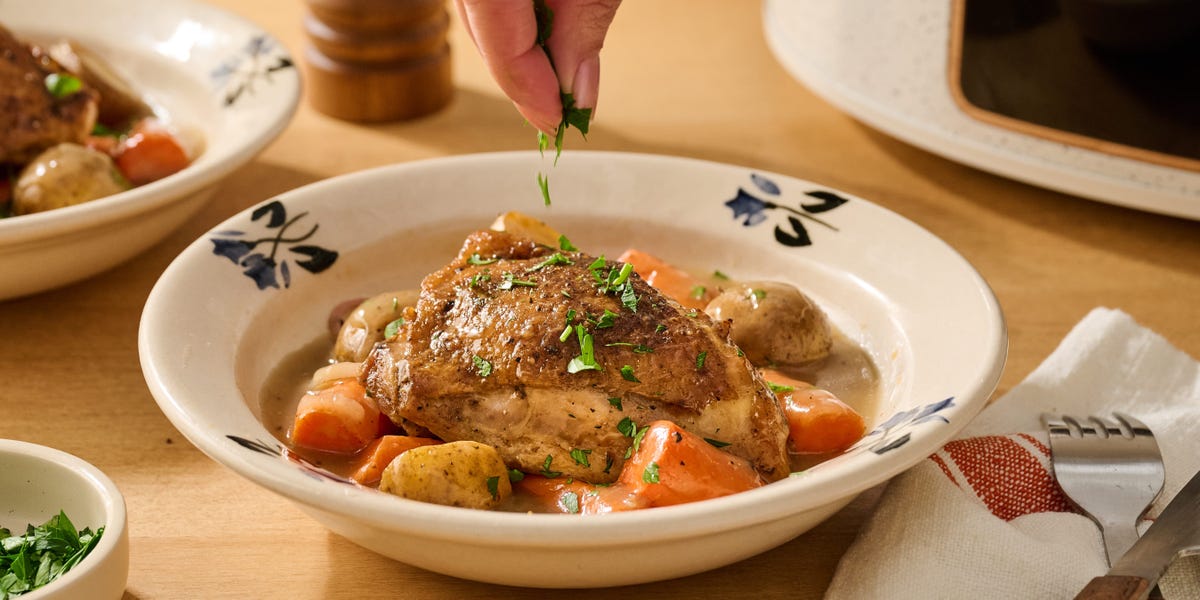
Make Perfect Slow Cooker Beef Stew: Best Beef Cuts & Potato Tips
As the crisp autumn air turns into the chill of winter, there's little that warms the soul quite like a hearty bowl of
cozy slow cooker beef stew. This timeless classic, brimming with tender chunks of beef, vibrant vegetables, and a rich, savory broth, is the epitome of comfort food. While often perceived as a laborious dish, the slow cooker transforms it into an effortless culinary masterpiece, allowing flavors to meld beautifully over hours with minimal fuss. But what truly elevates a good slow cooker beef stew to a truly exceptional one? It's all in the details – from selecting the ideal cuts of meat to choosing the right potatoes and mastering foundational cooking techniques.
Gone are the days of tough, dry beef or disintegrated potatoes in your stew. We're here to guide you through the secrets to crafting a slow cooker beef stew that boasts fall-apart tender beef, perfectly intact vegetables, and a depth of flavor that will have everyone asking for seconds. Get ready to unlock the full potential of your slow cooker and create a dish that embodies warmth and homemade goodness.
The Heart of the Stew: Choosing the Best Beef Cuts for Unrivaled Tenderness
The foundation of any great beef stew is, naturally, the beef itself. The magic of slow cooking lies in its ability to transform tougher, less expensive cuts of meat into incredibly tender, melt-in-your-mouth morsels. This is due to the slow, moist heat, which breaks down the connective tissues that make these cuts initially firm.
*
Chuck Roast: The Undisputed Champion
When it comes to slow cooker beef stew, the
chuck roast reigns supreme. This cut, typically from the shoulder of the cow, is richly marbled with fat and abundant in connective tissue. While this might sound undesirable for a quick-cook steak, it’s precisely what makes it perfect for the slow cooker. Over several hours of gentle simmering, this connective tissue breaks down into gelatin, infusing the stew with a luxurious richness and ensuring the beef is incredibly tender and juicy. As an added bonus, chuck roast is also one of the more budget-friendly cuts available, offering fantastic value without compromising on quality. When preparing, aim for 1-inch cubes, trimming away any excessively large pieces of exterior fat, but leaving the beautiful marbling intact for flavor and moisture.
*
Other Excellent Alternatives
While chuck roast is highly recommended, other cuts can also perform admirably in a slow cooker beef stew.
Rump roasts and
bottom rounds are solid choices. Like chuck, these cuts benefit immensely from low-and-slow cooking, as their inherent toughness gives way to tenderness under prolonged heat. They may be slightly leaner than chuck, so ensure adequate moisture in your stew to prevent drying out. No matter the cut, uniform 1-inch cubes are ideal for even cooking.
Mastering the Art of Searing for Unforgettable Flavor Depth
Some might be tempted to skip the searing step when using a slow cooker, thinking it's an unnecessary extra. However, this preliminary step is a game-changer that profoundly impacts the flavor, color, and texture of your finished slow cooker beef stew. It's an investment of just a few minutes that pays dividends in deliciousness.
*
The Maillard Reaction: Unlocking Flavor
Searing the beef cubes in a hot pan before adding them to the slow cooker kickstarts the Maillard reaction – a complex chemical process that occurs when amino acids and reducing sugars react at high temperatures. This reaction creates hundreds of new flavor compounds, responsible for the rich, savory, slightly nutty notes and appetizing brown crust on the meat. Without searing, your beef stew will lack this fundamental layer of deep, roasted flavor.
*
Building a Flavorful Foundation
Beyond the meat itself, searing also creates a crucial flavor base in the pan. After browning the beef in batches (to avoid overcrowding and steaming the meat), the caramelized bits and drippings that adhere to the bottom of the pot, known as "fond," are pure gold. This fond is then deglazed with a splash of wine or broth, scraped up, and transferred to the slow cooker along with your softened aromatics (onions and garlic). This process ensures that every ounce of developed flavor makes it into your stew, creating a more complex and robust broth from the very beginning. Seasoning your beef liberally with salt, pepper, garlic salt, and celery salt, then dusting with flour before searing, further enhances this browning process and helps to thicken the stew later on.
Perfecting Your Potatoes: Keeping Them Intact and Delicious
Potatoes are an indispensable component of beef stew, absorbing all the rich flavors of the broth and adding a comforting heartiness. However, not all potatoes are created equal when it comes to slow cooking. The wrong choice can leave you with a mushy, disintegrated mess rather than distinct, tender pieces.
*
The Starch Factor: Why Some Potatoes Fail
Potatoes are broadly categorized by their starch content. High-starch varieties, like Russets (Idaho potatoes), are excellent for mashing or frying because their cells break down easily, resulting in a fluffy texture. In a slow cooker stew, however, this high starch content and delicate cell structure cause them to fall apart and turn mealy, often dissolving into the broth and making it cloudy.
*
Recommended Varieties for Stews
For a slow cooker beef stew, you want potatoes that are waxy or medium-starch. These varieties have a denser cell structure and lower starch content, allowing them to hold their shape beautifully even after hours of simmering, while still becoming wonderfully tender.
*
Yukon Gold Potatoes: These are a top contender. Their creamy texture, slightly sweet flavor, and ability to remain intact make them ideal. They absorb the stew's flavors wonderfully without becoming mushy.
*
Red Potatoes: Another excellent choice, red potatoes have a waxy texture and firm flesh that resists breaking down. Their thin skins are also edible, meaning less prep work.
*
Pro Tip: Cut your chosen potatoes into uniform 1-inch chunks, similar to your beef, to ensure they cook evenly. You can add them along with other root vegetables at the beginning of the cooking process, confident they will maintain their structural integrity.
Building a Robust Flavor Profile: Beyond the Basics
A truly great slow cooker beef stew isn't just about the main ingredients; it's about the symphony of flavors that come together in the broth. This involves a careful balance of aromatics, liquids, and seasoning.
*
Aromatics and Liquids: The Soul of the Broth
Begin by softening diced onions and minced garlic in the same pan used for searing the beef, scraping up any remaining fond. This aromatic base sets the stage. For liquids, a good quality
beef broth is essential. It provides the savory backbone. A splash of
red wine (a dry variety like Cabernet Sauvignon or Merlot works best) is highly recommended. The wine adds a complex acidity and fruitiness that balances the richness of the beef and enhances the overall depth of flavor. Don't worry about the alcohol content; it cooks off, leaving only its nuanced taste.
*
Vegetables and Seasoning: Color and Complexity
Beyond beef and potatoes, carrots are a classic and necessary addition, bringing sweetness and vibrant color. For a complete vegetable medley, consider adding peas during the last 15-20 minutes of cooking. This prevents them from becoming overcooked and ensures they retain their bright green hue and crisp-tender texture.
Seasoning is paramount. Beyond salt and pepper, bay leaves and fresh rosemary sprigs infuse the stew with herbaceous notes that are distinctly comforting. A dash of browning and seasoning sauce (like Kitchen Bouquet or Gravy Master) can be added at the end to deepen the stew's color and add a touch of umami.
*
Achieving the Perfect Consistency
To achieve that luscious, thick consistency characteristic of a perfect stew, a cornstarch slurry is your best friend. Near the end of cooking, after removing any bay leaves or rosemary stems, combine cold water with cornstarch and slowly whisk it into the hot broth. The stew will thicken as it gently simmers for another few minutes, creating a silky, clingy sauce that coats every ingredient beautifully. Remember, it will continue to thicken slightly as it cools.
Slow Cooker Success: Practical Tips for a Flawless Stew
Making slow cooker beef stew is inherently forgiving, but a few pro tips can elevate your experience and ensure consistently delicious results. For more detailed instructions and ideas, you might want to explore an
Ultimate Slow Cooker Beef Stew guide.
*
Uniformity is Key: Cut all your meat and vegetables (except peas) into roughly 1-inch pieces. This ensures everything cooks evenly and prevents some ingredients from becoming overdone while others are still firm.
*
Don't Overcrowd: While slow cookers are generous, avoid packing them to the brim. Leave some space for proper heat circulation and even cooking.
*
Low and Slow for Best Results: While many recipes offer both high (4 hours) and low (8 hours) cooking times, cooking on the low setting for longer generally yields more tender beef and a more developed flavor profile. The gentler heat gives connective tissues more time to break down fully.
*
Mind the Moisture: If your slow cooker has a very tight-fitting lid, you might find you have more liquid than expected at the end. Conversely, older models might lose more moisture. Taste and adjust seasoning before thickening.
*
Storage and Reheating: Slow cooker beef stew is fantastic for meal prep! It stores well in an airtight container in the refrigerator for 3-4 days and freezes beautifully for up to 3 months. Thaw overnight in the fridge and reheat gently on the stovetop or in the microwave, adding a splash of broth if needed to adjust consistency.
*
Serving Suggestions: Elevate your slow cooker beef stew with warm, crusty bread, fluffy biscuits, or tender cornbread for dipping. It's also delicious served over creamy mashed potatoes, soaking up every bit of that rich gravy.
Conclusion
Crafting the perfect slow cooker beef stew is a rewarding culinary journey that promises incredible flavors with minimal effort. By understanding the importance of selecting the right beef cuts like chuck roast, mastering the flavor-enhancing art of searing, and choosing the ideal potatoes such as Yukon Golds or red potatoes, you’re well on your way to a truly unforgettable meal. Combine these foundational techniques with thoughtful layering of aromatics, liquids, and seasonings, and you’ll create a comforting classic that will be requested again and again. So, fire up your slow cooker, embrace the delicious aroma that will fill your home, and savor the unparalleled comfort of a perfectly executed homemade beef stew.